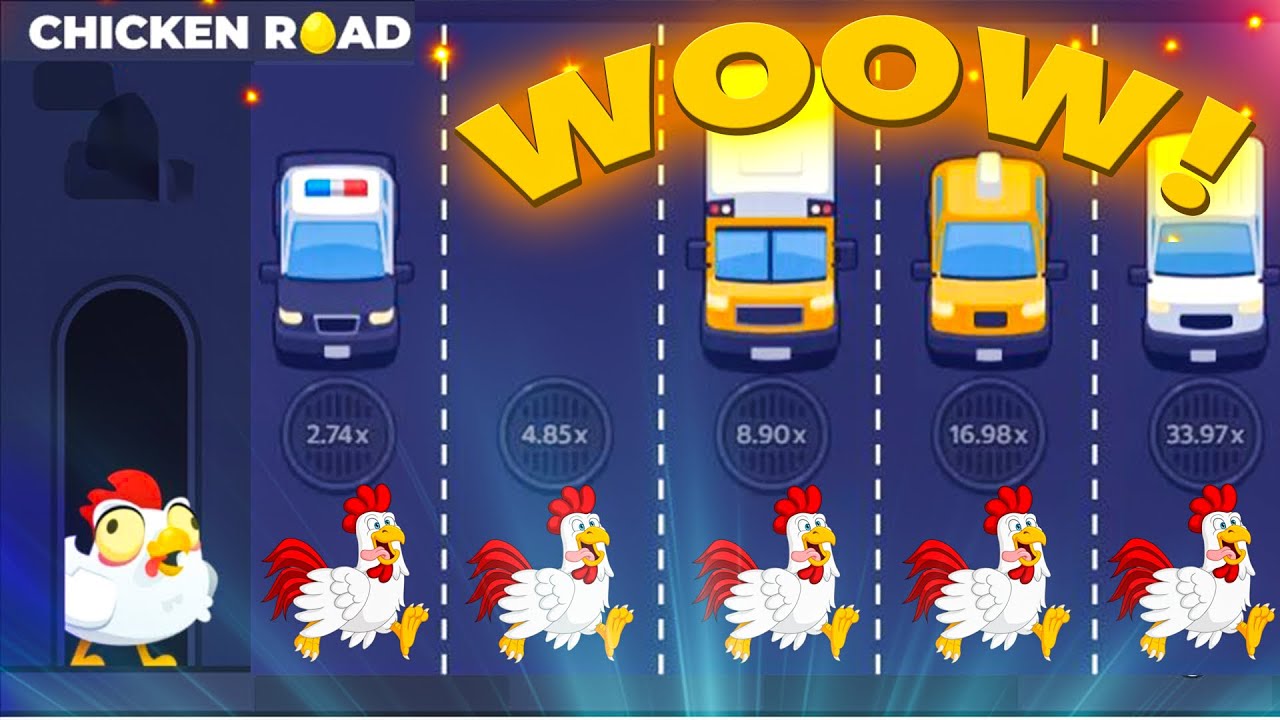

The Chicken Path Game in the UK uses an impressive system of aid organization collaborations to boost player involvement. By collaborating with local charities and non-profits, it creates a unique blend of fun and social responsibility. These alliances not only provide essential financing but also encourage a enhanced awareness of community issues. As the game evolves, the query arises: what novel partnerships might develop to further boost its effect?
Overview of Poultry Road Game Partnerships
The scene of alliances in the Chicken Road Game has evolved into a vibrant web of cooperation focused on enhancing player experience and community engagement. These collaborations extend across various sectors, from academic groups to technological leaders. Each collaboration targets utilizing unique capabilities, fostering an rewarding environment for players. By integrating advanced technologies and innovative game tactics, partners develop engaging material that ensures player retention. Additionally, they develop instruments and materials to encourage smooth interaction among players, strengthening the sense of community. Continuous evaluation and modification of these collaborations guarantee they satisfy evolving player needs, ultimately enhancing the overall player experience. Players aren’t just participants; they’re engaged partners in a lively environment intended for enjoyment and participation.
Collaborations With Local Charities
While nurturing community engagement through gaming, partnerships with local charities have become an integral aspect of the Chicken Road Game’s mission. These collaborations aim to expand outreach, boosting the impact of both tracxn.com the game and the charities involved. By coordinating resources, Chicken Road Game effectively employs fundraising events, donating a portion of game proceeds to support local initiatives. This strategy not only raises awareness for charitable causes but also fosters a sense of belonging within the community. Players become active participants, learning about social issues while enjoying the game. Through these strategic alliances, Chicken Road Game illustrates how gaming can transcend entertainment, creating a powerful platform for positive change that connects deeply with players and local charity organizations alike.
Engagement With Non-Profit Organizations
Through strategic engagement with non-profit organizations, Chicken Road Game is reshaping how gaming can promote social impact. By collaborating with these organizations, the game fosters awareness and raises funds for important causes, altering play into purposeful action.
Key initiatives include:
- In-game fundraising
- Awareness campaigns
- Volunteer opportunities
This approach illustrates a powerful collaboration between gaming and altruism, enabling players not just to play but to contribute meaningfully to society. Through these efforts, Chicken Road Game cultivates a community motivated by positive change.
Partnerships With Community Businesses
In today’s interlinked world, Chicken Road Game fosters key partnerships with community businesses to promote its social initiatives. By partnering with local enterprises, the organization utilizes resources and expertise to create effective programs. For instance, partnerships with restaurants and shops boost fundraising efforts while encouraging local engagement. These collaborations not only amplify visibility but also nurture a sense of community investment in the Chicken Road Game’s objectives. Businesses gain too, gaining positive exposure and solidifying their commitment to social responsibility. This mutually beneficial relationship solidifies community ties, encouraging support from residents and stakeholders alike. Through these focused alliances, Chicken Road Game efficiently addresses local needs, catalyzing meaningful change that resonates throughout the community.

Impact on Social Awareness and Change
As Chicken Road Game promotes partnerships with community businesses, Chicken Road, it significantly boosts social awareness and drives meaningful change. This strategic alignment cultivates a culture where collaboration and innovation flourish. By engaging diverse stakeholders, Chicken Road Game increases its impact on various social issues, such as:
- Community Resilience
- Educational Initiatives
- Sustainable Practices
These partnerships not only extend the game’s reach but also foster a sense of responsibility and activism among participants. As community members adopt these values, they add to a broader movement towards a more aware and socially conscious society, ultimately clearing the way for lasting positive change.
Future Prospects for Collaboration
While Chicken Road Game has already made substantial strides in developing partnerships, the future holds even greater potential for collaboration. Expanding its network of support organizations can boost resources, expertise, and reach. By involving a broad array of stakeholders—including educational institutions, local businesses, and community groups—Chicken Road Game can refine its initiatives and drive meaningful social change. Strategic alliances with tech companies could also promote innovation, making programs more interactive and effective. Additionally, embracing evidence-based approaches can improve partnership strategies, ensuring alignment with community needs. As Chicken Road Game continues to build these connections, the possibilities for positive alteration within the UK are not just encouraging; they’re essential for sustainability and growth in the coming years.
Conclusion
The Chicken Road Game’s partnerships with local charities, non-profits, and community businesses create a lively network that drives social awareness and nurtures lasting change. By involving players in important community initiatives, the game not only raises funds but also develops a sense of belonging that resonates with participants. Looking ahead, these collaborations hold promising potential to further improve communities, drive collective action, and inspire a new wave of involvement that strengthens individuals to contribute positively to their neighborhoods.