
The Chicken Road game displays intriguing variations between its mobile and PC versions in the UK. With touch controls emphasizing reflexive gameplay and the PC version providing precision and strategy, chickenroadlive.eu, these platforms cater to different player preferences. Additionally, the graphical improvements and customization options found on PCs offer a distinct experience. As users explore these differences, they may wonder how these factors influence player communities and overall engagement across platforms.
Overview of Chicken Road Gameplay
The lively streets of Chicken Road create an exciting backdrop for players steering across lanes filled with obstacles. This fast-paced gameplay demands sharp reflexes and strategic planning, as players move through varied terrains while dodging oncoming traffic, treacherous barriers, and unexpected hazards. Each successful crossing requires players to assess risks quickly, determining when to dash or pause. Collecting power-ups amid the chaos enhances the gameplay experience, benefiting skillful maneuvering with temporary boosts or safety shields. Mastery of timing and spatial awareness is crucial for progressing through increasingly challenging levels. Furthermore, frequent engagement with changing environments keeps players engaged, improving their ability to adapt and refine techniques, ensuring that each session stays engaging and stimulating for both newcomers and seasoned veterans alike.
Differences Between Mobile and PC Versions
When comparing the portable and desktop versions of Chicken Road, several key differences emerge that impact gamer experience. Gameplay mechanics vary markedly, with each platform offering unique challenges, while graphics and performance can differ in quality and responsiveness. Additionally, the variations in control schemes further shape how players engage with the game, highlighting the distinct advantages of each platform.
Gameplay Mechanics Comparison
Although both the portable and PC versions of Chicken Road share the same core objective of maneuvering through a series of obstacles, significant differences in gameplay mechanics create distinct experiences for players. The mobile version employs touch controls, emphasizing swift swipes and taps that improve quick reflexes, ideal for on-the-go gaming. In contrast, the desktop version makes use of traditional keyboard and mouse input, offering precision and control, which may lead to a more strategic approach. Additionally, power-up interactions vary; portable players can tap icons rapidly, while desktop users may need to manage through menus. These discrepancies affect pacing and player immersion, ensuring each version caters to its platform’s strengths and limitations, ultimately shaping how players engage with the game.
Graphics and Performance
While both the portable and desktop versions of Chicken Road aim to deliver a captivating visual experience, they diverge considerably in graphics and performance capabilities. The PC version showcases superior hardware utilization, resulting in distinct advantages:
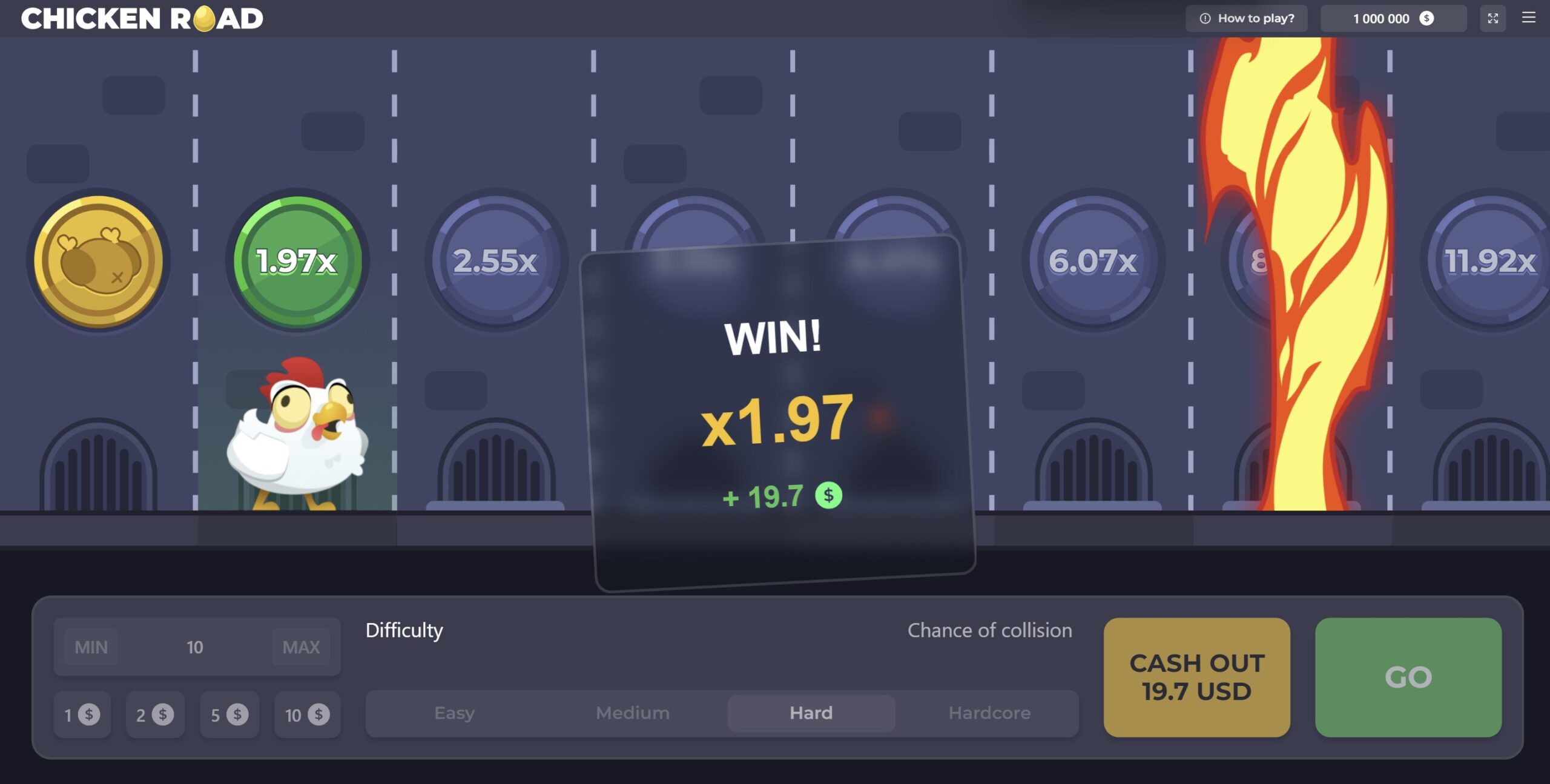
- Higher Resolution
- Improved Frame Rates
- Advanced Effects
These differences significantly impact overall immersion and enjoyment, providing distinct experiences tailored to each platform.
Control Schemes Variations
The differences in control schemes between the mobile and PC versions of Chicken Road significantly influence gameplay interactions and player experience. Mobile players use touch-based controls, allowing for instinctive taps and swipes that enhance agility but may limit precision in tight scenarios. Alternatively, the PC version utilizes keyboard and mouse inputs, providing players a greater degree of control and customization, ideal for executing complex maneuvers. This disparity leads to distinct gameplay variations; mobile users enjoy portability and quick accessibility, while PC players have a strategic advantage through nuanced control. Each platform’s design caters to varying player preferences, testing both casual and competitive gamers to adapt their strategies according to their chosen interface, eventually improving the overall gaming experience.
Platform-Specific Features and Enhancements
Technology plays a significant role in shaping the Chicken Road game experience across various platforms. Each platform introduces unique features, enhancing gameplay and engagement. These distinctions test players’ skills and adaptability:
- Graphics Improvement – Consoles boast high-resolution visuals, providing a more immersive environment relative to mobile counterparts.
- Control Customization – PC versions provide extensive key mapping, permitting players to adjust controls for maximum efficiency.
- Social Connectivity – Mobile versions boost networking by incorporating social media sharing, while PC and console versions emphasize in-game multiplayer options.
Grasping these improvements aids players utilize each platform’s advantages for proficiency in Chicken Road.
Regional Differences in Content and Accessibility
As players engage in Chicken Road across the UK, they swiftly discover a array of regional differences that notably influence both content and accessibility. Various regions feature localized narratives and special challenges tailored to cultural contexts, enriching the gameplay experience. For instance, players in Scotland may encounter specific folklore elements, while those in Wales might traverse themes grounded in their abundant natural scenery. Accessibility differs as well; some areas deliver intuitive interfaces and localized support, while others face restrictions in connectivity and device compatibility. These disparities impact how players connect with the game, making it essential for developers to contemplate regional preferences and technological resources. Such understanding promotes inclusivity and improves the overall enjoyment for a diverse audience.
Performance and Graphics on Different Devices
While gameplay experience in Chicken Road is richly affected by regional narratives, the performance and graphics on different devices also have a essential role in shaping player engagement. The game’s success depends on how well it adapts to various platforms, impacting the overall player experience. Key performance and graphic aspects include:

- Frame Rate Stability
- Resolution Quality
- Loading Times
Examining these aspects aids users understand hardware option, impacting their pleasure and proficiency of this game play.
Gamer Groups and Their Effect on Playing
The effect of gamer groups on this game gameplay is substantial. These networks nurture environments where users share tactics, hints, and insights, considerably enhancing the play. Gamers often cooperate in forums and social media, forming a dynamic conversation that fosters skill growth. This interaction results in the appearance of distinct tactics and gameplay styles that can alter competitive activity. Furthermore, community-organized competitions and contests motivate gamers to go beyond their limits, encouraging involvement and excitement. Input from the community also propels creators to enhance play mechanics, ensuring they meet user expectations. Finally, the collaboration within these communities not only enhances personal performance but also influences the entire environment of the game, turning player input essential to its continuous development.
Summary
In closing, the title experience showcases significant distinctions between its mobile and computer editions, each crafted to unique player experiences. While the handheld version highlights quick reflexes and community engagement, the computer iteration improves exactness, visual quality, and strategic depth. This diverse strategy not only addresses varied tastes but also promotes individual player networks that affect play interactions. Finally, these platform distinctions enhance the gaming experience, guaranteeing that players find enjoyment, no matter their selected hardware.