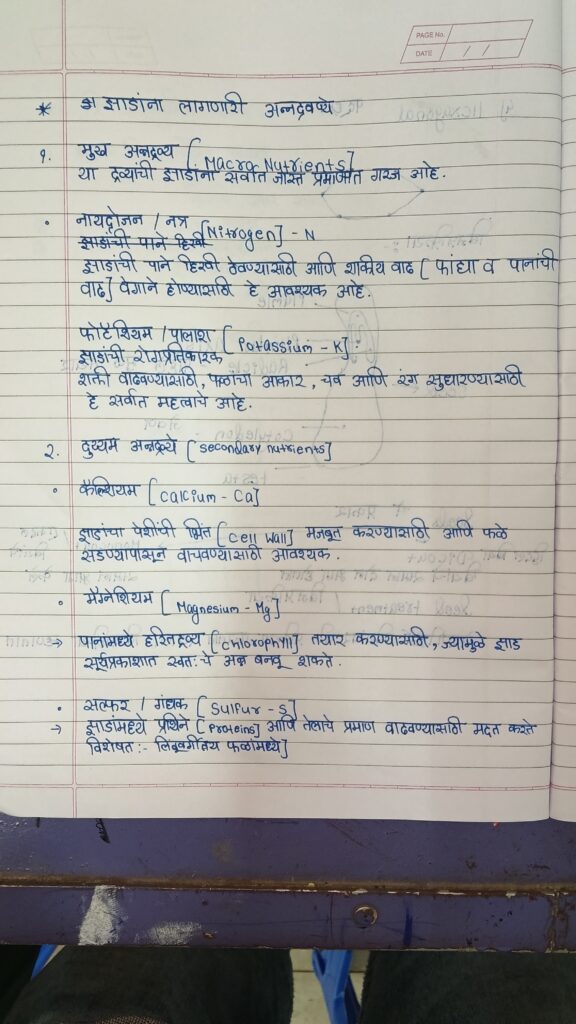
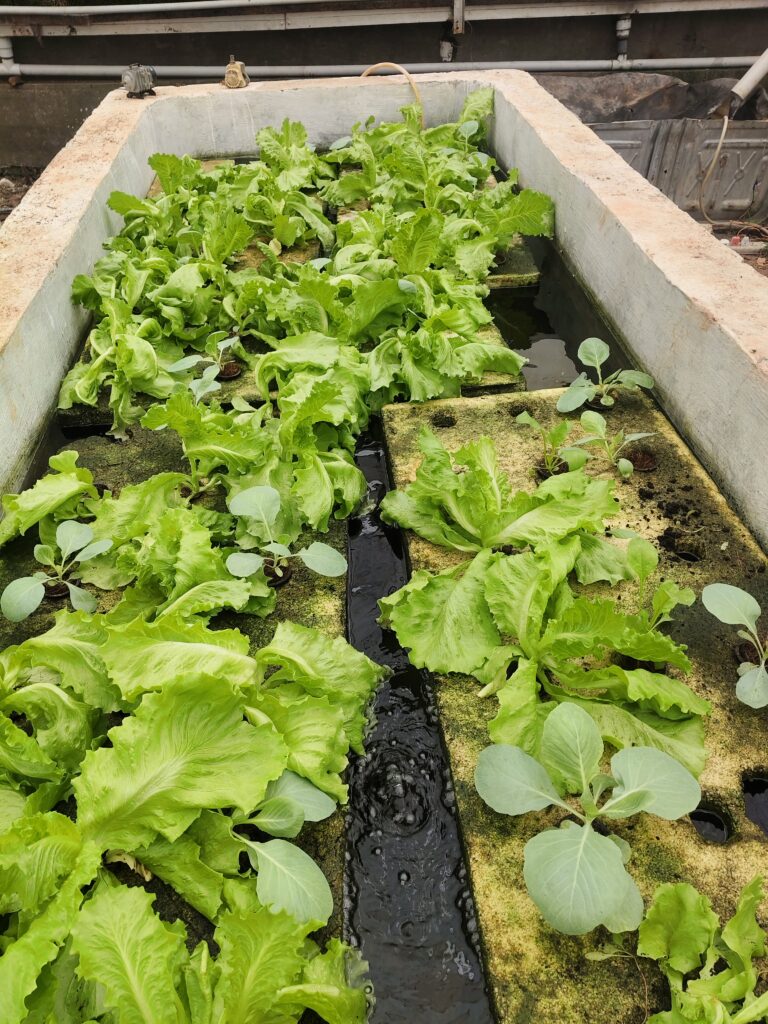
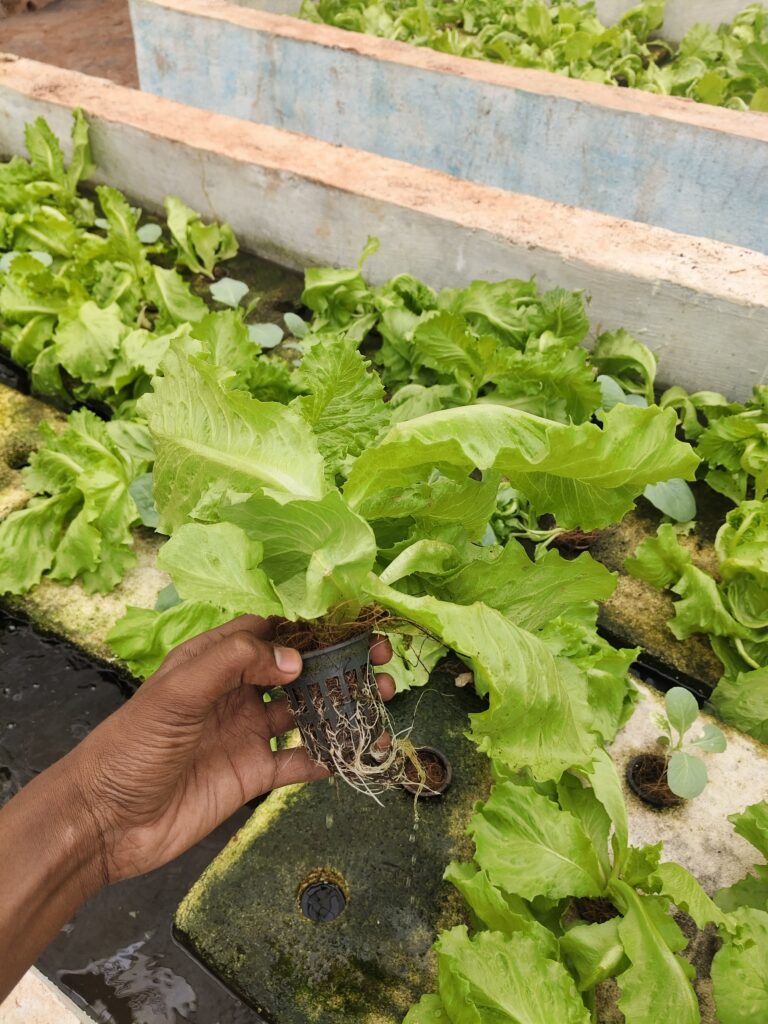
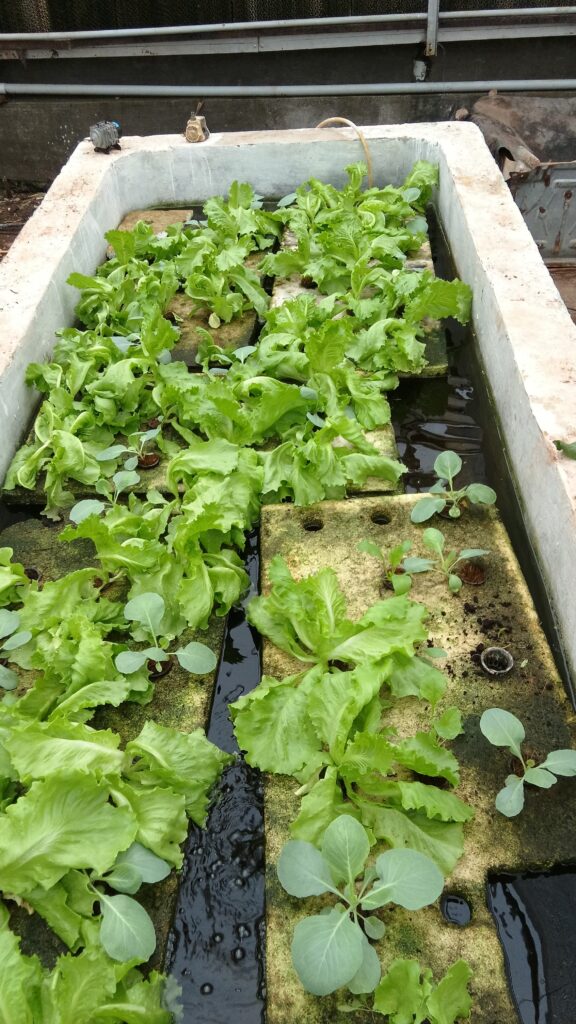
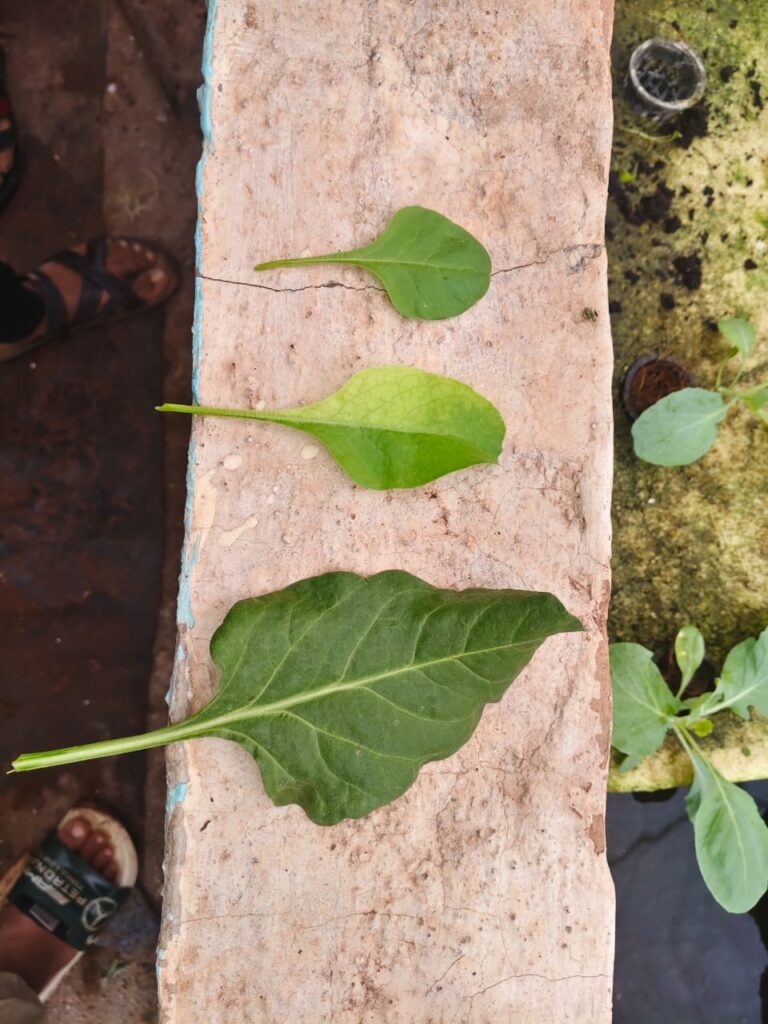
Nitrogen (N) Keeps leaves green. Promotes rapid growth of stems and leaves. Essential for healthy vegetative growth.
Potassium (K) Increases disease resistance. Improves fruit size, quality, and colour. Helps plants grow stronger.
Secondary Nutrients
Calcium (Ca) Strengthens the plant’s cell wall. Prevents fruits from rotting. Supports healthy root and shoot growth.
Magnesium (Mg) Helps in the formation of chlorophyll. Enables plants to prepare their own food through photosynthesis.
Sulfur (S) Helps in the formation of proteins. Increases oil content in oilseed crops.
Micronutrients (Needed in Small Amounts)
Iron (Fe) Helps in chlorophyll formation. Prevents yellowing of leaves.
Zinc (Zn) Helps in growth and development. Improves flowering and fruit formation.
Boron (B) Helps in flower and fruit development. Improves pollination and seed formation.
Copper (Cu) Helps plants produce enzymes. Supports healthy growth.
Manganese (Mn) Helps in photosynthesis. Activates many plant enzymes.
Molybdenum (Mo) Helps plants use nitrogen efficiently. Important for protein formation.
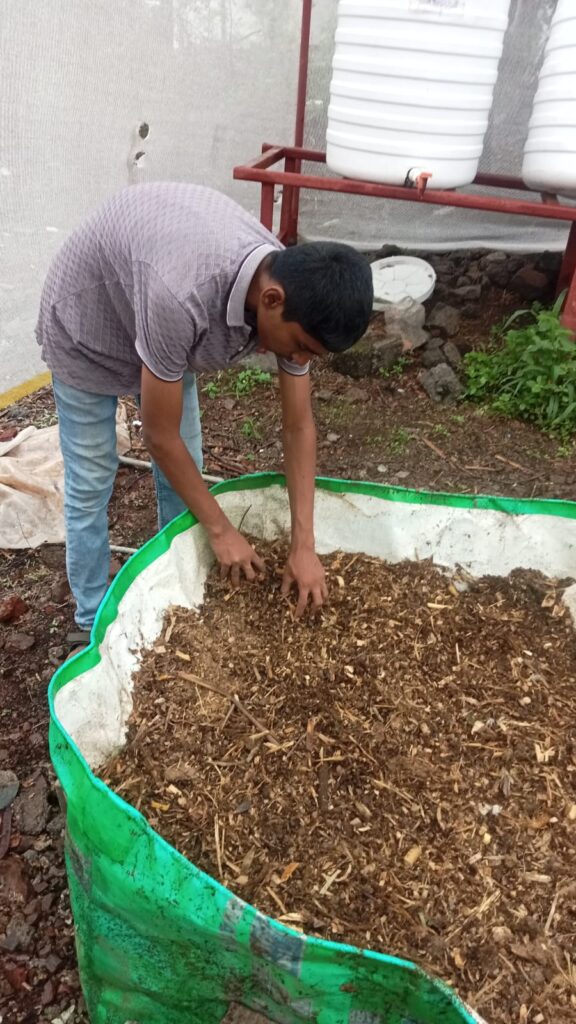
Chlorine (Cl) Helps maintain water balance in plants. Supports healthy plant growth. Summary Table Nutrient Symbol Main Function Nitrogen N Green leaves and vegetative growth Potassium K Disease resistance and fruit quality Calcium Ca Strong cell walls and healthy fruits Magnesium Mg Chlorophyll formation and photosynthesis Sulfur S Protein and oil formation Iron Fe Chlorophyll formation Zinc Zn Growth and flowering Boron B Flower, fruit, and seed development Copper Cu Enzyme activity Manganese Mn Photosynthesis Molybdenum Mo Nitrogen utilization Chlorine Cl And have learn how make soil purify by earthworm and have learn many types of soil (khat)