
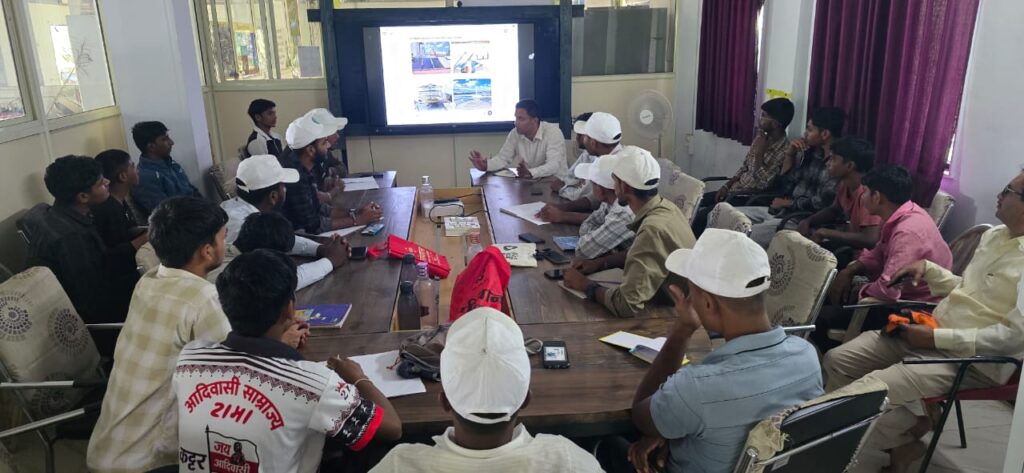
Types of Solar Power Systems
- On-Grid (Grid-Tied) System:
- Working: Panels convert sunlight to DC power, an inverter changes it to AC for immediate home use, and any excess is sent to the utility grid. It automatically shuts down during grid power outages for safety.
- Application: Best for urban households and businesses with reliable grid access wanting to lower their electricity bills.
- Off-Grid System:
- Working: Operates entirely independently of the power grid. Panels feed energy into a battery bank via a charge controller, and appliances draw power exclusively from these batteries.
- Application: Ideal for remote locations, cabins, agricultural areas, or regions with zero grid infrastructure.
- Hybrid System:
- Working: Combines grid connection with a battery backup. It powers the property and charges the batteries first, sends excess electricity to the grid, and switches to battery power during blackouts.
- Application: Perfect for areas with unstable grids, frequent power cuts, or critical facilities requiring uninterrupted power.
Types of Solar Panels
- Monocrystalline Panels:
- Working & Features: Made from a single, pure silicon crystal (distinguished by a uniform black color). They offer the highest efficiency rate (18–25%+) and perform better in low-light conditions.
- Application: Preferred for premium residential rooftops or properties with limited roof space.
- Polycrystalline Panels:
- Working & Features: Made by melting multiple silicon fragments together (distinguished by a blue, speckled look). They have a slightly lower efficiency (15–17%) and require more physical space.
- Application: Commonly used for large-scale commercial installations, solar farms, or budget-conscious projects.
- Bifacial Panels:
- Working & Features: Designed with dual-sided solar cells that absorb direct sunlight from the front and reflected light (albedo) from the ground or roof on the back, boosting energy generation by 10–30%.
- Application: Highly effective for ground-mounted commercial systems, snowy regions, or highly reflective flat roofs.
Types of Solar Meters
- Generation Meter:
- Working: Positioned between the solar panels and the inverter to monitor and log the total, raw kilowatt-hours (kWh) of electricity generated by the solar array.
- Application: Used for performance tracking and calculating government generation incentives or feed-in subsidies.
- Bi-directional Meter (Net Meter):
- Working: Tracks electricity flowing in two directions. It counts the power imported from the grid when solar production is low, and subtracts the power exported to the grid when solar production is high.
- Application: The standard required hardware for any grid-tied or hybrid solar energy system.
Metering & Billing Frameworks
- Net Metering:
- Working: The grid acts as a virtual battery. Your solar power offsets your real-time consumption, and excess flows to the grid. You are billed only for the “net” difference (Import minus Export) at the end of the billing cycle.
- Application: Widely used globally for residential solar systems to maximize financial savings.
- Gross Metering:
- Working: Keeps consumption and generation completely independent. 100% of your solar electricity is exported to the grid at a fixed feed-in tariff rate, while you pay standard retail rates for all electricity consumed.
- Application: Common in specific commercial setups or municipalities with strict utility-controlled green energy initiatives.
Types of Solar Power Systems
- On-Grid (Grid-Tied) System:
- Working: Panels convert sunlight to DC power, an inverter changes it to AC for immediate home use, and any excess is sent to the utility grid. It automatically shuts down during grid power outages for safety.
- Application: Best for urban households and businesses with reliable grid access wanting to lower their electricity bills.
- Off-Grid System:
- Working: Operates entirely independently of the power grid. Panels feed energy into a battery bank via a charge controller, and appliances draw power exclusively from these batteries.
- Application: Ideal for remote locations, cabins, agricultural areas, or regions with zero grid infrastructure.
- Hybrid System:
- Working: Combines grid connection with a battery backup. It powers the property and charges the batteries first, sends excess electricity to the grid, and switches to battery power during blackouts.
- Application: Perfect for areas with unstable grids, frequent power cuts, or critical facilities requiring uninterrupted power.
Types of Solar Panels
- Monocrystalline Panels:
- Working & Features: Made from a single, pure silicon crystal (distinguished by a uniform black color). They offer the highest efficiency rate (18–25%+) and perform better in low-light conditions.
- Application: Preferred for premium residential rooftops or properties with limited roof space.
- Polycrystalline Panels:
- Working & Features: Made by melting multiple silicon fragments together (distinguished by a blue, speckled look). They have a slightly lower efficiency (15–17%) and require more physical space.
- Application: Commonly used for large-scale commercial installations, solar farms, or budget-conscious projects.
- Bifacial Panels:
- Working & Features: Designed with dual-sided solar cells that absorb direct sunlight from the front and reflected light (albedo) from the ground or roof on the back, boosting energy generation by 10–30%.
- Application: Highly effective for ground-mounted commercial systems, snowy regions, or highly reflective flat roofs.
Types of Solar Meters
- Generation Meter:
- Working: Positioned between the solar panels and the inverter to monitor and log the total, raw kilowatt-hours (kWh) of electricity generated by the solar array.
- Application: Used for performance tracking and calculating government generation incentives or feed-in subsidies.
- Bi-directional Meter (Net Meter):
- Working: Tracks electricity flowing in two directions. It counts the power imported from the grid when solar production is low, and subtracts the power exported to the grid when solar production is high.
- Application: The standard required hardware for any grid-tied or hybrid solar energy system.
Metering & Billing Frameworks
- Net Metering:
- Working: The grid acts as a virtual battery. Your solar power offsets your real-time consumption, and excess flows to the grid. You are billed only for the “net” difference (Import minus Export) at the end of the billing cycle.
- Application: Widely used globally for residential solar systems to maximize financial savings.
- Gross Metering:
- Working: Keeps consumption and generation completely independent. 100% of your solar electricity is exported to the grid at a fixed feed-in tariff rate, while you pay standard retail rates for all electricity consumed.
- Application: Common in specific commercial setups or municipalities with strict utility-controlled green energy initiatives.