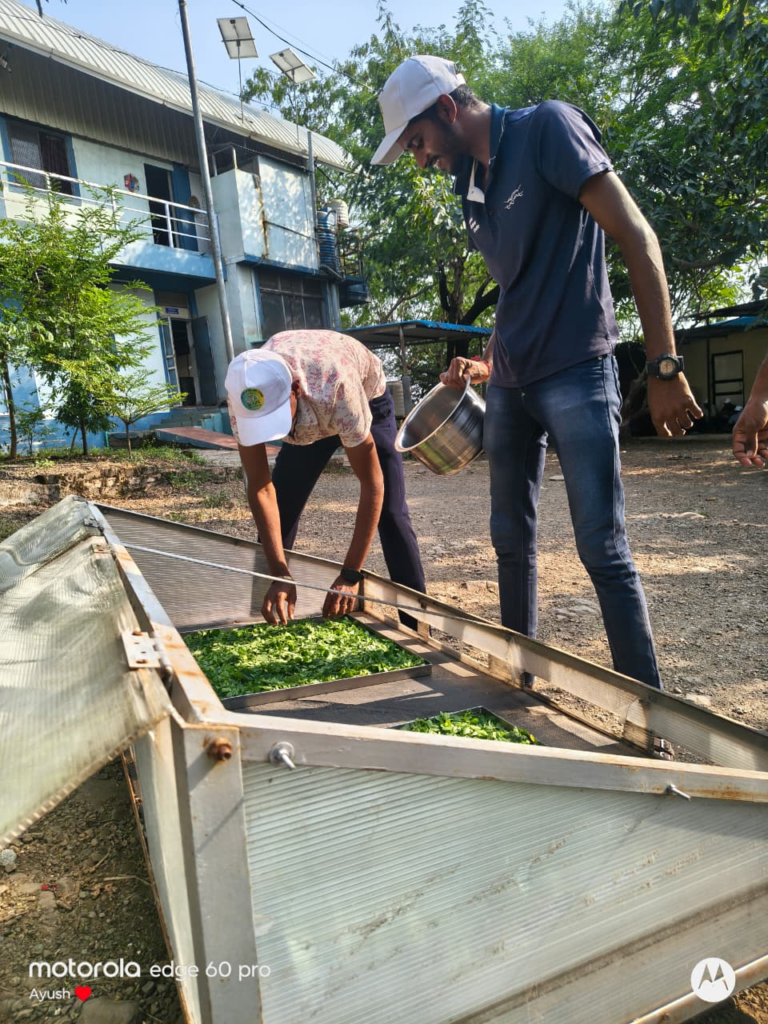
A solar dryer is a simple and eco-friendly device that uses energy from the sun to remove moisture from food. It is used to dry fruits, vegetables, herbs, grains, spices, fish, and other agricultural products. Solar drying is an improved method compared with traditional open-air drying because it protects food from dust, insects, rain, and other contaminants.
A solar dryer generally consists of a solar collector, drying chamber, trays, and air vents. Sunlight heats the air inside the collector. The warm air then moves into the drying chamber, where it removes moisture from the food. Depending on the design, air movement can happen naturally or with the help of a small fan.
One of the biggest advantages of a solar dryer is that it uses free and renewable solar energy. It does not require electricity or fuel for basic operation, which helps reduce energy costs. Solar drying can also improve the quality and shelf life of food by reducing moisture and preventing the growth of microorganisms.
Solar dryers are especially useful for farmers and small-scale food producers. They can dry seasonal products and store them for longer periods, reducing food wastage and providing opportunities to earn additional income. Common products suitable for solar drying include mangoes, bananas, tomatoes, chilies, onions, turmeric, and leafy vegetables.
There are different types of solar dryers, such as direct, indirect, and mixed-mode solar dryers. The choice depends on the type of food, required drying temperature, and available resources.
In conclusion, a solar dryer is an affordable, sustainable, and useful technology for food preservation. By using sunlight efficiently, it helps reduce food waste, save energy, and support sustainable agriculture.