
1. Bamboo Dryer—————————
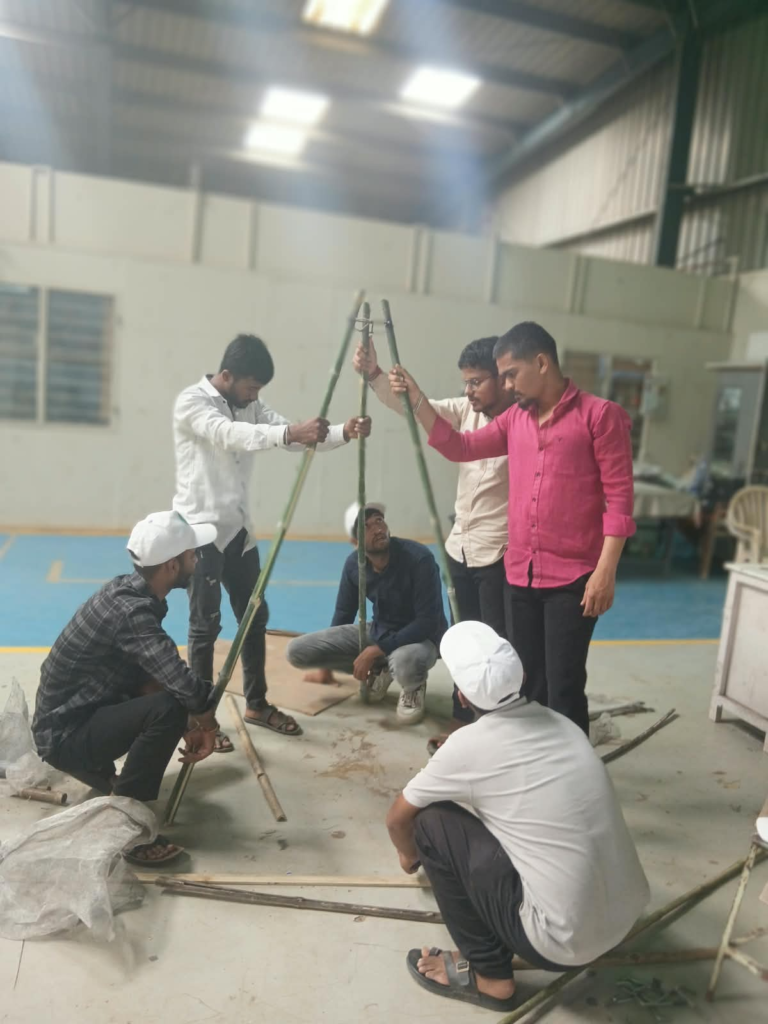
What is a bamboo dryer?
A bamboo dryer is a device or system used to remove moisture (water) from freshly harvested bamboo.
Fresh bamboo contains a lot of moisture. If it is used without proper drying, it can crack, bend, develop fungus, decay, or get attacked by insects. Therefore, bamboo is dried before it is used for furniture, construction, handicrafts, and other products.
Working principle
The basic principle is heat + air circulation.
- Fresh bamboo is placed inside the drying chamber.
- Heat is supplied to the chamber.
- Hot air absorbs moisture from the bamboo.
- A fan or natural airflow moves the moist air out.
- As drying continues, the moisture content of the bamboo decreases.
- When the bamboo reaches the required moisture level, it is removed from the dryer.
Main parts
- Drying chamber
- Heat source/heater
- Fan or air-circulation system
- Air inlet and outlet
- Temperature controller
- Bamboo racks/supports
- Moisture measuring instrument
Advantages
- Reduces moisture in bamboo
- Improves strength and durability
- Reduces cracking and deformation
- Helps prevent fungal growth
- Reduces insect damage
- Makes bamboo suitable for further processing
2)Solar Inverter———————–
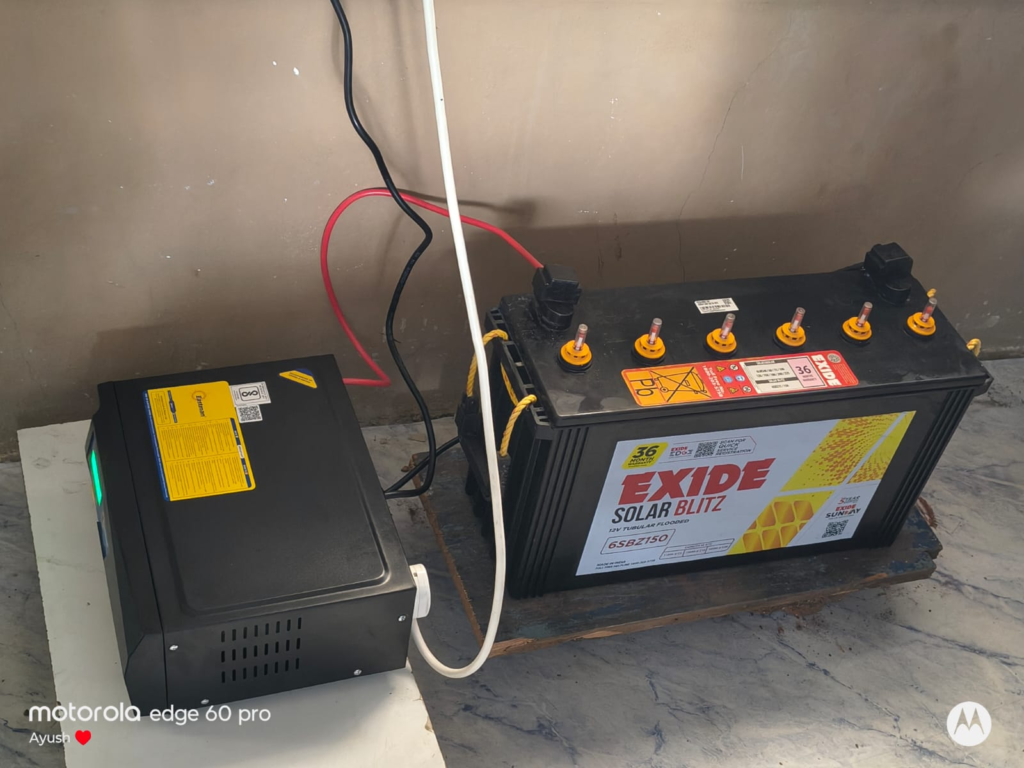
A solar inverter is a device that converts the DC electricity generated by solar panels into AC electricity that can be used by electrical appliances.
How a solar inverter works
The basic process is:
Sunlight → Solar Panel → DC Electricity → Solar Inverter → AC Electricity → Room Appliances
If a battery is included:
Solar Panel → Solar Inverter → Battery → Appliances
Main parts of a solar power system
- Solar panels – Convert sunlight into DC electricity.
- Solar inverter – Converts DC electricity into AC electricity.
- Battery – Stores electrical energy for use later, if the system has battery storage.
- MCB/fuses and protection devices – Protect the system from electrical faults.
- Electrical load – Lights, fans, computers, etc.
- Mounting structure and cables – Support and connect the solar system.
Installation process
The general process is:
- Select a suitable location for the solar inverter.
- Install the solar panels in a suitable location with good sunlight.
- Connect the solar panels to the solar inverter using appropriate DC protection and wiring.
- If batteries are used, connect the battery bank to the inverter correctly.
- Connect the inverter’s AC output to the appropriate electrical distribution system.
- Check polarity, earthing, protection devices, and all connections.
- Switch on and test the system.
- Check that solar power is being generated and that the required appliances receive power.