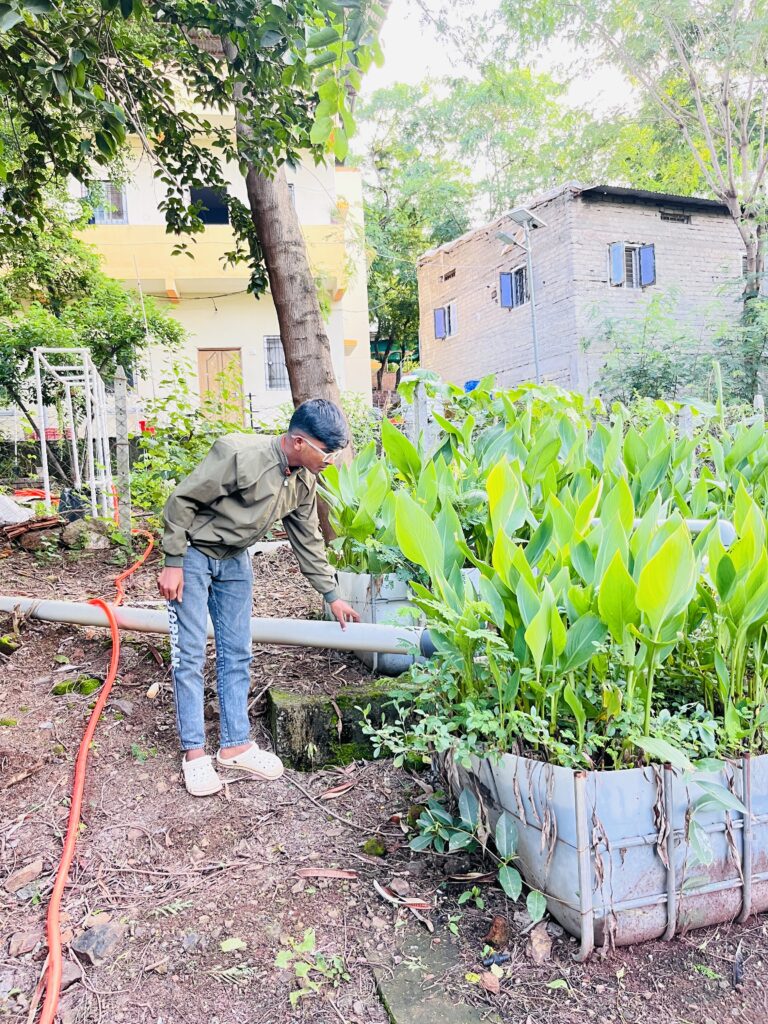
What is Greywater?
Graywater is used water from household activities (such as laundry, bathing, dishes, and sinks). It does not include toilet water. Toilet water is also known as blackwater, which contains high levels of bacteria and dirt.
1. Main sources of grey water
1. Bath and shower water: A mild solution of soap and shampoo.
2. Washing Machine Water:
Water containing surf and detergent.
- Kitchen and dishwashing water: This may contain grease, oil, and food particles (considered the heaviest gray water).
- Wash basin water: Water after washing hands and face and brushing teeth.
2. Benefits of grey water
1. Water saving: The demand for fresh water is reduced by 30% to 50%.
Improvement: The water level of wells and borewells can be increased by recharging grey water into the ground.
- Lower bills: Reduces water bills and dependency on water supply.
- Beneficial for plants: The elements like nitrogen and phosphorus present in it act as natural fertilizer for the plants if it does not contain too many chemicals).
3. Where can it be used?
Greywater can be used directly or lightly filtered for the following purposes:
Plants and gardening: For irrigation of gardens, fields, or trees. Toilet flushes:
Reuse for flushing the toilet.
Cleaning: washing the car, mopping the yard or floors.
4. How to Recycle Grey Water at Home? (Cheap and Easy Method) You can make a simple Sand & Gravel Filter at home:
Do not spray directly on vegetables or fruit plants: Always use it on the roots of the plants, do not
pour it directly on the leaves or fruits and vegetables.
Use eco-friendly detergents: If you’re irrigating this water, use sodium-and boron-free (eco-friendly / bio-degradable) soaps and detergents at home. Never use for drinking or cooking:
This water is never fit for human or animal consumption.